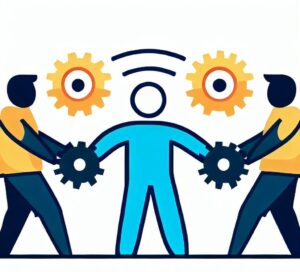
In today’s fast-paced and interconnected work environments, effective collaboration and coordination between teams and individuals are crucial for achieving organizational goals. When it comes to managing dependencies, whether they be tasks, projects, or information, bringing employees on the same page plays a pivotal role in ensuring smooth operations and optimal outcomes.
The Challenges of Unmanaged Dependencies
Unmanaged dependencies can lead to confusion, delays, and inefficiencies within an organization. Without proper coordination, teams may inadvertently work in silos, duplicating efforts, or missing critical information. These challenges hinder productivity and can impede the overall success of projects.
Benefits of Bringing Employees on the Same Page
- Enhanced Communication: By aligning employees and teams, dependency-related communication becomes more efficient, enabling timely updates, clarifications, and problem-solving.
- Improved Collaboration: When everyone understands the interdependencies between tasks and teams, collaboration becomes seamless, fostering a spirit of teamwork and shared responsibility.
- Optimal Resource Allocation: With a clear understanding of dependencies, resources can be allocated more effectively, avoiding bottlenecks and ensuring efficient utilization.
- Proactive Issue Resolution: By establishing a shared understanding of dependencies, employees can anticipate potential conflicts or delays, allowing for proactive mitigation measures.
- Streamlined Decision-Making: When employees are on the same page, decision-making becomes more informed, as stakeholders have a comprehensive view of the impact their decisions may have on other teams or processes.
Strategies for Bringing Employees on the Same Page
- Clear Communication Channels: Establishing effective channels for communication, such as regular team meetings, digital collaboration tools, and project management software, helps keep everyone informed and engaged.
- Transparent Documentation: Encouraging the documentation of dependencies and making it easily accessible to all stakeholders fosters transparency and ensures everyone has access to the most up-to-date information.
- Cross-Functional Training: Providing opportunities for cross-training and knowledge sharing across teams enables employees to develop a broader understanding of dependencies and builds a more cohesive workforce.
- Collaborative Workspaces: Creating physical or virtual spaces that encourage cross-team interactions and information sharing can foster a culture of collaboration and understanding.
In a dynamic work environment, effective dependency management is vital for achieving organizational success. By bringing employees on the same page, organizations can overcome the challenges posed by unmanaged dependencies and unlock the benefits of enhanced communication, improved collaboration, optimal resource allocation, proactive issue resolution, and streamlined decision-making. Implementing strategies like clear communication channels, transparent documentation, cross-functional training, and collaborative workspaces can help organizations transform from chaos to order, empowering their teams to work together harmoniously and achieve outstanding results.